
Energy bills, hotter summers and growing interest in sustainable living are changing what buyers want from a new home. A well-designed house on the right lot can be cooler, cheaper to run and more comfortable all year.
Sustainability in a new home starts well before the build. The estate’s design, the lot’s orientation and the choices you make with your builder all play a part.
This guide explains what sustainability looks like at estate, lot and home level in south-east Queensland, and how to use it as a practical buying filter rather than a marketing label.
Know What Estate-Level Ratings Mean
Estate-level sustainability is measured differently from individual homes. The Green Building Council of Australia’s Green Star Communities rating assesses whole neighbourhoods on factors such as liveability, economic prosperity, environment, design and governance.
A rating does not guarantee that every home is efficient, but it does signal how the community has been planned. Ask whether an estate holds a rating or is targeting one, and what commitments sit behind it, such as tree planting, water management or walkable design.
Some communities build sustainability into their layout from the start. Round Mountain in New Beith, for example, is targeting a 6 Star Green Star Communities rating and sets aside a large share of its land for bushland corridors, trails and parks. That kind of planning shapes daily life, encouraging walking, keeping streets cooler and protecting local habitat.
Street trees deserve particular attention. A well-shaded street can feel noticeably cooler in summer, and mature canopy adds value over time. Ask how many trees the estate plans to plant, what species are used and who maintains them in the early years.
Choose a Lot That Works With the Climate
The lot you pick has a lasting effect on comfort and running costs. In south-east Queensland, the aim is to capture winter sun and cooling breezes while limiting harsh afternoon heat.
A lot with the backyard facing north or north-east suits most living areas well. It lets you place main rooms and outdoor spaces where they get gentle winter sun, with eaves and shading keeping out the high summer sun. West-facing living areas are harder to keep cool without extra shading and insulation.
Lot width affects design freedom too. Wider lots make it easier to orient rooms well, while narrow lots can force living areas into less ideal positions. When you browse land for sale new beith and nearby areas, ask for the lot’s orientation and look at how a chosen house design would sit on it before you commit.
Build Energy Efficiency Into the Design
New homes in Australia must meet energy-efficiency standards under the National Construction Code, measured through the Nationwide House Energy Rating Scheme (NatHERS). Meeting the minimum is a starting point, and many buyers choose to go further.
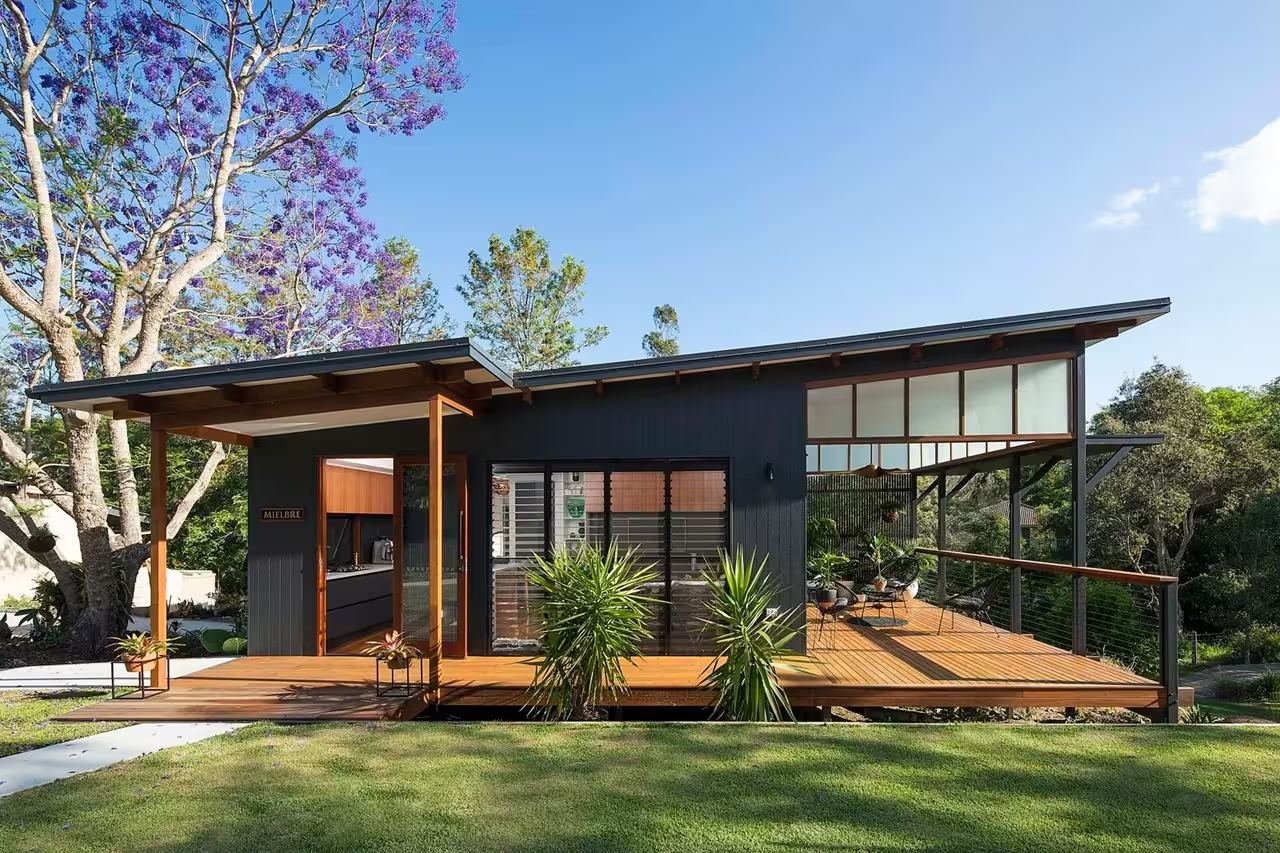
Simple design decisions make the biggest difference. Good eaves, well-placed windows, ceiling fans and cross-ventilation reduce the need for air conditioning. Light-coloured roofs reflect heat, and quality insulation in the ceiling and walls keeps temperatures steady.
Ask your builder for the home’s energy rating and what upgrades would lift it. Compare the upfront cost of options such as better glazing or extra insulation against the long-term savings on power bills.
Ask to see the NatHERS certificate once the design is finalised. It shows the star rating and the estimated heating and cooling load, which makes it easier to compare designs from different builders on equal terms.
Plan for Solar, Water and Smart Systems
Rooftop solar is now common in Queensland and can cut power bills substantially. Plan for it from the start by checking roof orientation, available roof space and whether the switchboard can support a future battery.
Water efficiency matters as well. Rainwater tanks can supply gardens and toilets, and water-efficient fittings reduce ongoing use. Some estates have specific rules or incentives for tanks, so ask what applies.
Efficient appliances complete the picture. A heat pump hot water system, induction cooktop and energy-efficient air conditioning all reduce running costs. If you are considering an electric vehicle, ask your builder to pre-wire the garage for a charger, as it is much cheaper during construction.
Landscaping adds another layer. Native plants suited to local conditions need less water, attract birds and pollinators and cope better with Queensland’s dry spells. Deciduous trees on the western side of a home can shade walls in summer while letting in winter sun.
Balance Sustainability With Budget
Sustainable features should pay their way over the time you plan to live in the home. Some deliver quick returns, while others are more about comfort or values.
When comparing options, consider these factors:
- Upfront cost against expected savings on energy and water
- How long you plan to stay in the home
- Comfort benefits that are hard to measure in dollars
- Whether the feature is cheaper to add now than to retrofit later
Prioritise design choices first, since orientation, shading and insulation cost little to get right during the build but are expensive to fix afterwards.
Final Thoughts on Building Sustainably
A sustainable new home starts with the right estate and lot, then builds in good design, efficient systems and features that suit your budget. Each layer adds to comfort and lowers running costs over time.
Look at how the community is planned, choose a lot that works with the climate and talk openly with your builder about energy ratings and upgrades. Those steps lead to a home that is better to live in and cheaper to run for years to come.


